Liquid Staking $CSPR is Now Live
Casper has officially rolled out liquid staking for $CSPR, a feature that many in the community see as a turning point for the network. Unlike traditional staking where tokens are locked, liquid staking allows users to keep their assets productive in multiple ways. Stakers receive both the base staking yield and a liquid representation token (such as sCSPR) that can be used across DeFi applications. This model enhances capital efficiency while still securing the Casper network.
The new feature also introduces additional layers of complexity. Risks such as tracking error, smart contract exploits, and ecosystem adoption all need to be monitored closely. Research on liquid staking points out that mispricing or security breaches can destabilize the model if integrations are not carefully vetted. Still, the broader community expects liquid staking to increase liquidity for CSPR, reduce selling pressure, and encourage more long-term participation. The beta phase is already underway as the Casper team prepares for wider DeFi integration.
Story Protocol Partners with Magma – A Digital Painting Platform
Magma, a collaborative digital painting platform, has announced its partnership with Story Protocol to integrate programmable IP features directly into the creative workflow.
Artists using Magma will be able to register their works on-chain, set licensing terms, and enforce rules for remixing or commercial use without leaving their drawing environment. This integration provides creators with an automated rights management system that historically has been difficult to achieve in the digital art world.
The collaboration also addresses long-standing issues of attribution and ownership. With blockchain-backed tracking, artists will be credited for derivative works, and royalties can be shared automatically if multiple creators collaborate on a piece.
This marks a shift from art being just a static showcase to becoming an active economic asset in the digital space. Importantly, Story Protocol and Magma together enable artists to monetize not just their finished works, but also the remixing and AI usage of their IP under transparent and enforceable conditions.
Monad Releases Grants Program to Power Builders on Mainnet
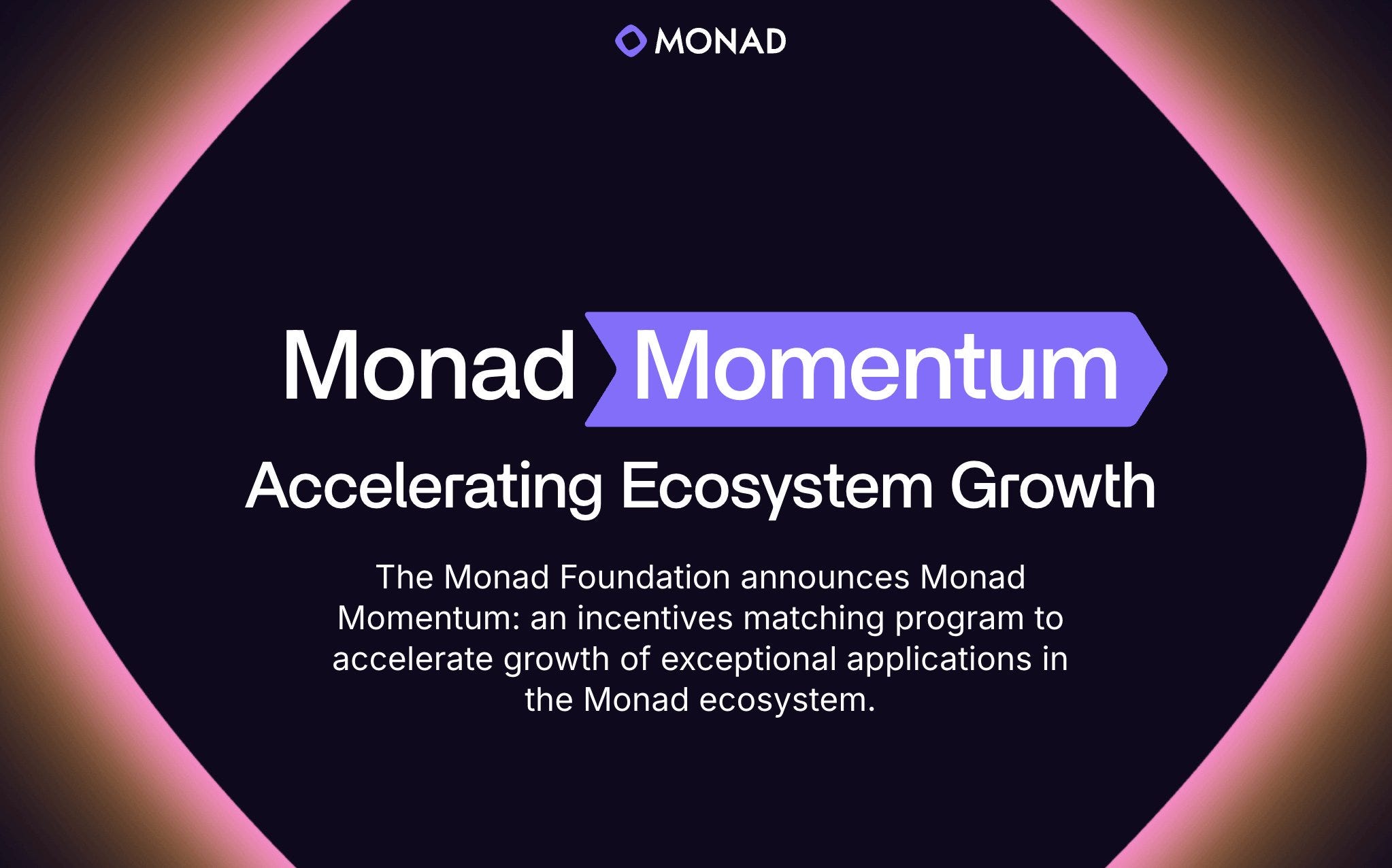
Monad has launched Monad Momentum, a new ecosystem incentive program designed to support high-quality projects transitioning from testnet to mainnet. The grants are aimed at applications that have already demonstrated functionality, undergone audits, and built sustainable user strategies. The application window runs from September 18 to 28, with teams eligible for matched funding to accelerate their deployment on Monad’s upcoming mainnet.
Unlike typical incentive programs that reward raw metrics, Monad emphasizes user retention, sustainable revenue, and organic growth as the core criteria for funding. This approach reflects a broader trend in blockchain ecosystems: prioritizing real adoption over vanity statistics.
While the exact timeline for Monad’s mainnet launch is not officially confirmed, speculation across industry outlets suggests it may arrive by late 2025. The grants program could serve as an early filter to ensure that only serious, resilient builders gain traction on Monad.
Solo Leveling Joins Story Protocol
In a move that has captured the attention of both anime fans and crypto enthusiasts, Solo Leveling — one of the most popular Korean manhwa franchises — has joined Story Protocol. This integration highlights how major entertainment IPs are beginning to test blockchain-based rights management and monetization systems. By linking such a globally recognized title, Story Protocol demonstrates its ambition to bridge Web3 with mainstream cultural properties.
For fans, this could mean new ways to engage with the Solo Leveling universe through licensed fan art, derivative works, or even AI-generated content — all while respecting the rights of the original creators.
For IP holders, Story Protocol provides tools to ensure their property is protected and fairly monetized in digital ecosystems. Whether this becomes a sustainable model depends heavily on user adoption, ease of integration with existing platforms, and how efficiently royalties and licenses are managed at scale.

Fake Somnia Explorer Site Detected
The Somnia community has flagged a fake explorer website that closely mimics the official one, with only a minor difference in the domain name. These sites are designed to deceive users into entering sensitive data such as private keys or seed phrases, which can result in immediate asset loss. With the growing attention around Somnia’s ecosystem, phishing attempts are becoming more sophisticated and frequent.
Users are strongly advised to verify URLs carefully, bookmark official sites, and avoid clicking on links from unverified sources. Projects themselves are also urged to amplify security awareness campaigns, since even small lapses in vigilance can lead to major exploits. This latest case serves as a reminder that no matter how advanced blockchain infrastructure becomes, the human element of security remains critical. In Web3, awareness and education are as important as protocol-level innovation.